
-1.svg)




.svg)
.svg)
.svg)
©2025 GENOMMA LAB
ALL RIGHTS RESERVED

Why do I have white spots in my hair?
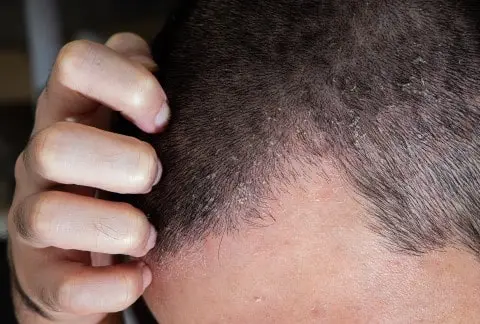
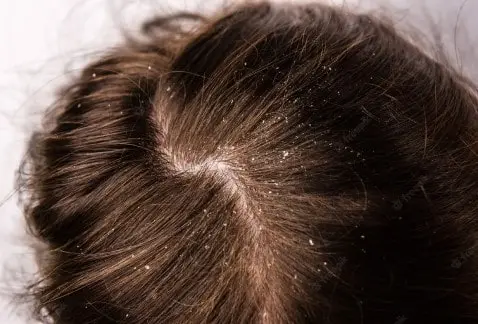
Those white specks you notice in your hair and on your shoulders can be uncomfortable and unsightly, often making you feel as though everyone is staring. They can even affect how others perceive you. Did you know that each white flake is a silent sign of scalp flaking? Yes—dandruff, a common problem that affects many people.
One of the most recognizable symptoms of dandruff is the appearance of small white dots in the hair or on the scalp, which may fall onto the shoulders and become visible on clothing, especially darker fabrics. This can lead to embarrassment and may also cause scalp discomfort such as itching, burning and redness.
What is dandruff?
Dandruff is a scalp condition characterized by excessive flaking.
This often results in the formation of small white particles—commonly referred to as “white specks”—that detach from the hair and fall onto the shoulders or clothing.
Dandruff can have various causes and may manifest differently from person to person.
Scalp yeast balance: Malassezia yeast commonly lives on the scalp and is often associated with dandruff. In some people it can coincide with irritation and faster turnover, making flakes more visible.
Overproduction of scalp oil: When sebaceous glands produce excess sebum, this oil can accumulate on the scalp’s surface, contributing to irritation and flaking.
Dry skin: A dry scalp can also drive dandruff—when the scalp becomes dry and flaky, it is more likely to shed as small white specks in the hair.
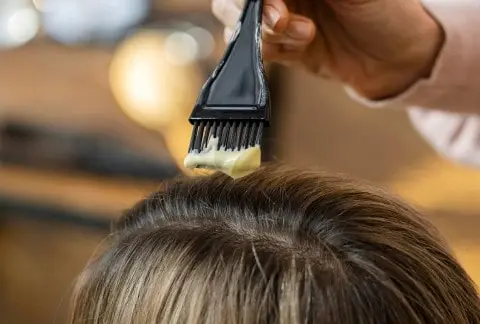
Use of harsh products: Some individuals may develop sensitivity to certain hair care products, especially those that are harsh or abrasive, worsening irritation and flaking.
Stress and other factors: Stress, lack of sleep and other lifestyle factors can trigger or worsen dandruff flares. These elements can impact the overall health of the skin and scalp.
What can I do?
Effectively addressing dandruff and white specks in your hair depends on the underlying cause. In general, approaches that may help include:
Using an OTC anti-dandruff shampoo like Medicasp, which contains coal tar 0.5% to help normalize fast scalp cell turnover and calm irritation—helping control itching, redness and visible flakes, even when Malassezia may be part of the picture. Use as directed. Not an antifungal drug.
Avoiding overuse of hair products and steering clear of those that may cause irritation.
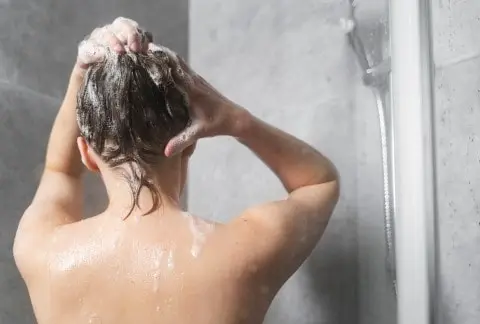
Maintaining a gentle cleansing routine and washing your hair regularly.
Reducing stress and leading a healthy lifestyle.
Remember: what works for one person may not be effective for another. If you experience persistent dandruff or white specks, consult your physician or dermatologist.